Canada’s Biosphere Reserves
Discover the 16 Canadian biosphere reserves, recognized by UNESCO as unique regions that work to foster sustainable development and conserve biodiversity by involving local populations in decisions.


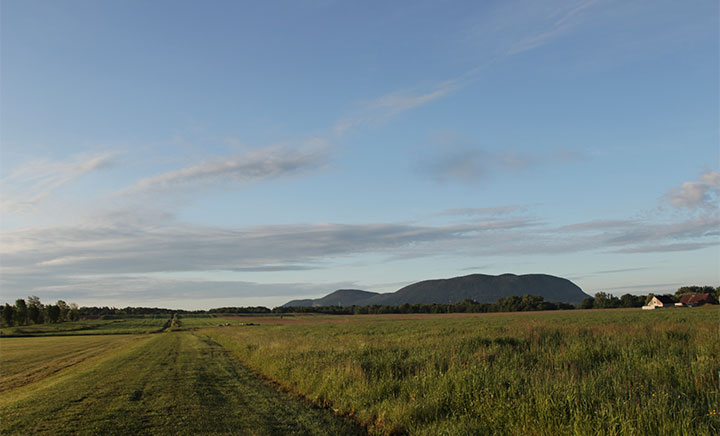
Mont Saint-Hilaire is a steep-sided hill that contains the remnants of one of Quebec’s old-growth deciduous forests, as well as many rare and endangered species. In order to reach a harmonious balance between the conservation of biodiversity and human activities, the Mont Saint-Hilaire Biosphere Reserve carries out several dozen projects yearly to protect and restore the region’s natural areas, showcase our forest corridors, equip and guide the area’s stakeholders and plan responsible urbanization.
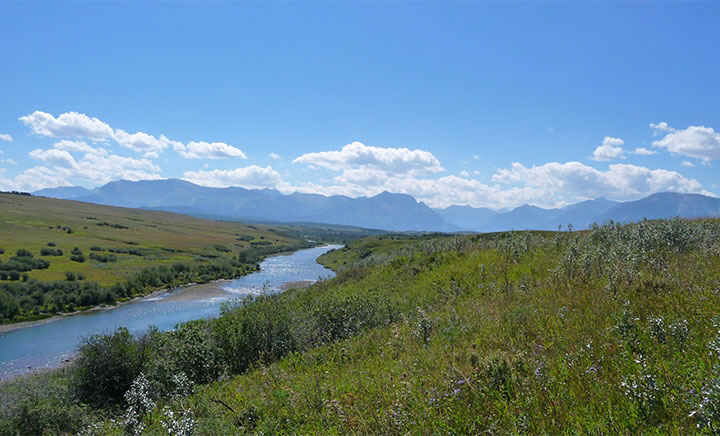
The Waterton Biosphere Reserve and National Park is situated in the far southwest corner of Alberta and covers an area of 52 square kilometres. It encompasses a section of the eastern slopes of the Rocky Mountains, and extends from the Continental Divide to the eastern edge of the Canadian Great Plains. The Waterton Biosphere Reserve hosts a variety of landscapes. It works to strike a balance between protecting local biodiversity, such as grizzly bears and bats, and agriculture, livestock farming and tourism.
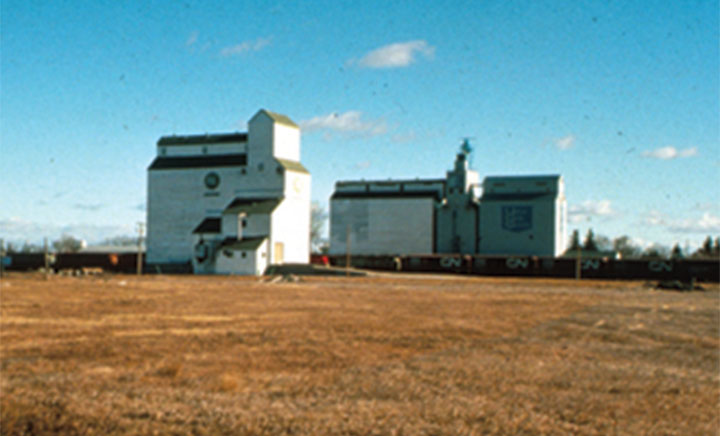
Located around 300 kilometres north of Winnipeg in Manitoba, the Riding Mountain Biosphere Reserve is covered in shrubs and prairies of national importance. The reserve is also rich in lakes and streams. Descendants of the Ojibwa First Nations live in reserves within the cooperation area. The biosphere reserve supports a rural and agricultural economy supplemented by significant tourism, mainly associated with the Riding Mountain National Park.
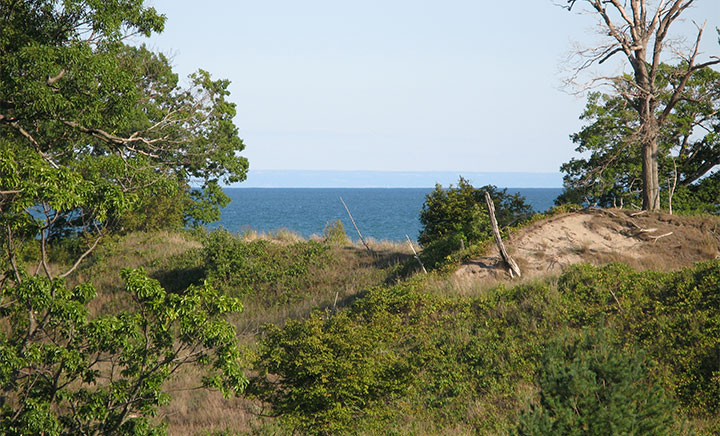
The Long Point World Biosphere Reserve, located on the shores of Lake Erie in southern Ontario, is the second longest freshwater peninsula in the world. Its diverse habitats host a multitude of flora and fauna. The Long Point Biosphere Reserve promotes research, monitoring, education, partnerships and projects to support the goals of conserving diversity and developing sustainable communities in Norfolk County.
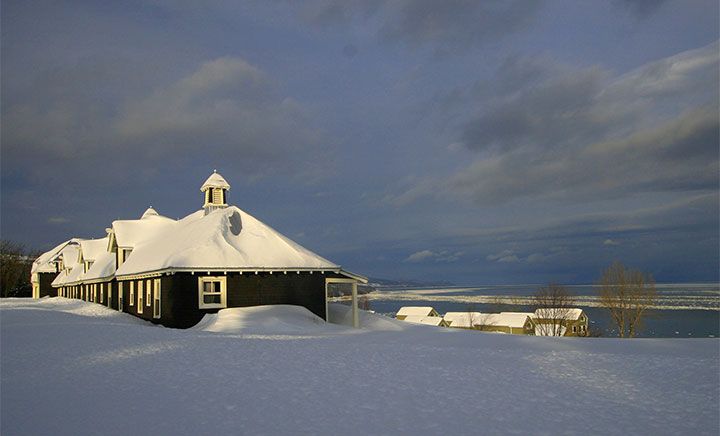
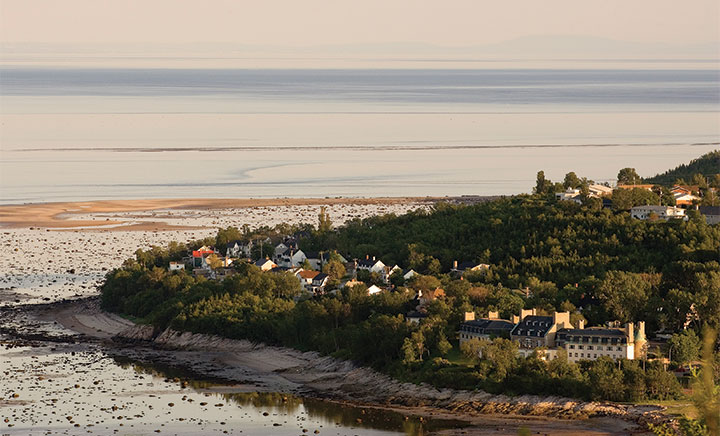
The World Biosphere Reserve of Charlevoix is located on the north shore of the Saint Lawrence River. A laboratory for sustainable development, it stretches from the sea to the tundra. The landscapes are inhabited by proud people, and alternate between agricultural land and boreal forests. The Corporation de la Réserve de la Biosphere works to improve the population’s living conditions while preserving environmental health through sound natural resource management.
The Niagara Escarpment is located in southwest Ontario, and stretches across 725 km. The corridor formed by the escarpment crosses two major biomes: coniferous boreal forests to the north and temperate deciduous forests to the south. It also contains vast wetland complexes, cliff faces, slopes and aquatic ecosystems. As a region of tourism, livestock farming, and wine and fruit production, the Niagara Escarpment Biosphere Reserve works to protect its natural spaces while valuing local expertise.
The Clayoquot Sound Biosphere Reserve is located within a temperate rainforest on the west coast of Canada. Five small coastal First Nations communities, along with several other small communities that live farther inland, live in the reserve. A place for sharing and learning in Clayoquot Sound, the Biosphere Reserve works to promote local communities and sustainable economies while protecting the environment for future generations.
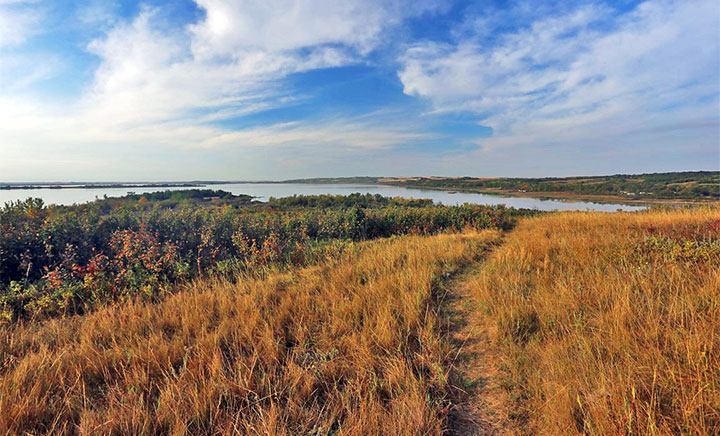
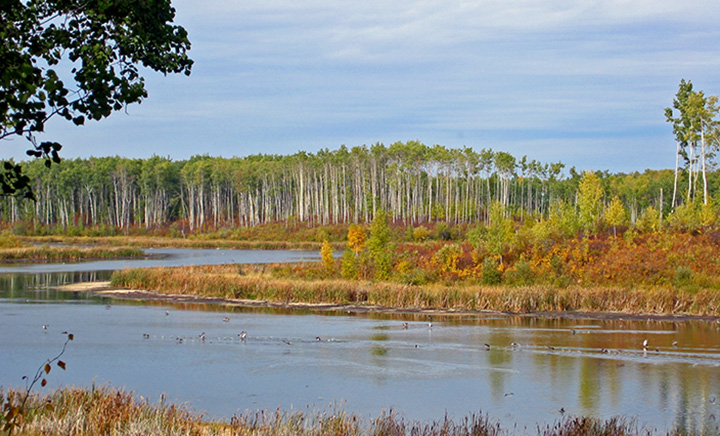
The Redberry Lake Biosphere Reserve is located in southwest Saskatchewan. Found at the region’s core, this saline lake contains several scattered islands. The landscape is characterized by rolling prairie dotted with seasonal ponds and marshes, as well as groves of aspen and shrubs. Small patches of natural mixed prairie can also be found—very rare for this highly grazed and farmed area of Saskatchewan. Redberry Lake is an important conservation site, and is considered an exceptional spot for aquatic bird watching. The region has a population of around 1,000, and the primary economic activities are agriculture and livestock farming.
The Lac Saint-Pierre Biosphere Reserve is located on the Saint Lawrence River, east of Montreal, between the towns of Sorel-Tracy and Trois-Rivières in Quebec. Lac Saint-Pierre is part of the Saint Lawrence Seaway, one of the most heavily used inland waterways in the world. It contains marshes, wetlands and an abundance of birds. The Biosphere Reserve’s vision is to participate in the sustainable development of the area, allowing man and biosphere to coexist in harmony.
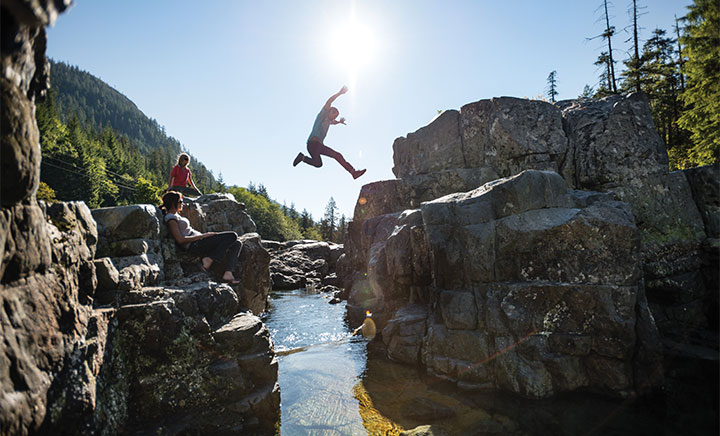
The Mount Arrowsmith Biosphere Reserve is located on the east coast of Vancouver Island in British Columbia. The reserve hosts a wide variety of habitats and ecosystems, containing arid and alpine areas, old-growth forests, lakes and estuaries. In addition to fishing and forestry, tourism and the service industries provide the main sources of income for the region. The mandate of the Biosphere Reserve is to reconcile the conservation of biodiversity and the sustainable use of resources while allowing populations to reconnect with their economy and environment to develop a long-term vision for the region.
With its quintessential Nova Scotian landscapes, the Southwest Nova Biosphere Reserve offers a wealth of spectacular scenery: rolling, river and glacial plains, hills, and coastal cliffs. The Mi’kmaq who once occupied this territory left behind a rich cultural heritage that bears witness to their use of land and bodies of water for sustenance, medicine and trade. The region's traditional economic activities are forestry, agriculture, coastal fishing, mineral prospecting and mining, as well as professional guiding activities.
Frontenac Arch Biosphere Reserve is located in the Thousand Islands region of southeastern Ontario, at the intersection of the terrestrial and riverine ecosystems of the Saint Lawrence River, and contains extraordinarily diverse fauna. The Biosphere Reserve works with local populations to create sustainable communities that celebrate nature, culture and local agriculture, and create a better way to live and grow together.
Located in Cape Breton, Nova Scotia, the Bras d’Or Lake is a unique estuarine ecosystem, with cold and warm water. It is a place where the Mi’kmaq, and descendants of the first colonists live together with more recent newcomers, building healthy and vibrant communities. The Biosphere Reserve works to promote a more sustainable way of living through a healthy environment, economy, society and culture.
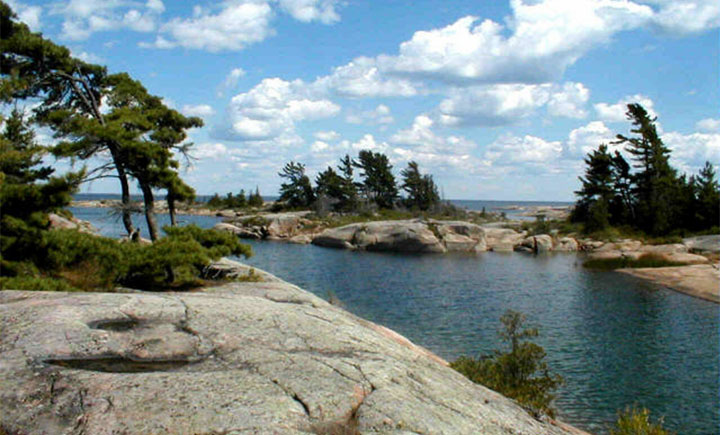
The Georgian Bay Biosphere Reserve is located in Ontario. Also known as the Thirty Thousand Islands, it contains the world’s largest freshwater archipelago. It contains unique species of reptiles and amphibians. Through threatened species conservation programs, educational activities and sustainable tourism, the Biosphere Reserve encourages joint action for the sustainable development of its territory.
From its lower end in the waters of the Saint Lawrence River, to the edge of the taiga, Manicouagan-Uapishka is one of the largest biosphere reserves in the world, containing 54,800 km2. The unique regional formations were shaped by glaciers and the impact of a giant meteorite. The Biosphere Reserve is positioned as an important stakeholder in regional development, and serves as a reference in sustainable development to integrate it into all of the region’s activities. The reserve generates knowledge, fosters pride and encourages networking between environmental, social and economic stakeholders.
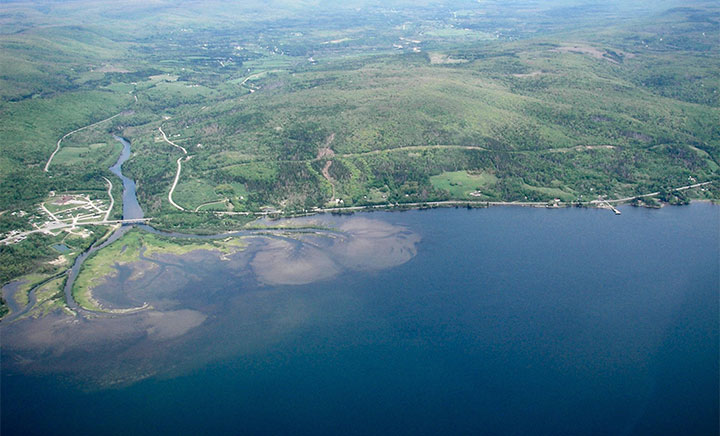
Located in New Brunswick, the Fundy Biosphere Reserve is brimming with extraordinary places. The geological formations, land and marine ecosystems, cultural heritage and a combination of rural communities make the Bay of Fundy unique. The Fundy Biosphere Reserve is a community initiative that brings together representatives from different groups and local communities that work to promote sustainable development in the region by creating a forum where various groups can share information, expertise and exemplary practices.
The Beaver Hills site is a morainic, rolling landscape (the deposits and hills formed when the glaciers melted and retreated), covering 1595.6 square kilometres, of which 444 are protected. Elk Island National Park and Miquelon Lake Provincial Park form the core areas of the Biosphere Reserve. Beaver Hills offers pristine mixedwood forests and wetlands, as well as transition areas modified by Man—primarily farms. The broad, natural canopy is an ideal habitat for bison, deer, elk, moose, and many waterfowl. Approximately 12,000 people leave on the site, and the region draws around 365,000 visitors per year. The Beaver Hills Biosphere Reserve serves a perfect example of protecting biodiversity and promoting sustainable development within the authority of a major urban area.
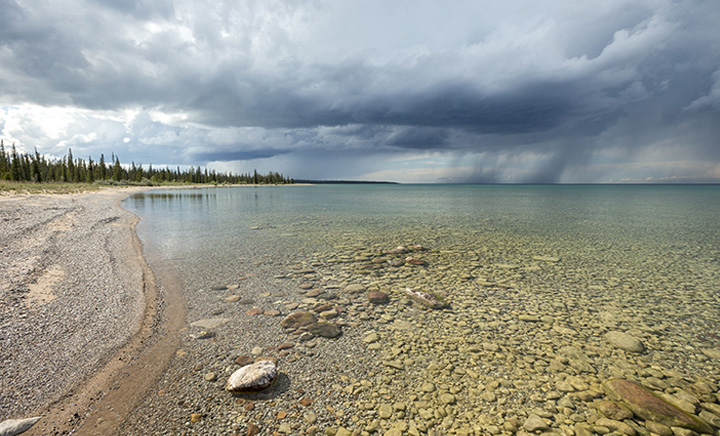
The Tsá Tué Biosphere Reserve covers 93,313 square kilometres. It encompasses the Great Bear Lake, the last pristine arctic lake, and most of its watershed provides a habitat for a great variety of animal species including the barren-ground caribou, the migratory woodland caribou, the wolf, the wolverine, the musk ox, the grizzly bear, and the peregrine falcon. The land is home to the Saoyú-Ɂehdacho National Historic Site of Canada, which contains spaces for teaching, healing, and spirituality that are essential to the cultural well-being of the Délı̨nę community. The biosphere reserve is overseen by the Sahtú Got’ınę community of Délı̨nę. Various management plans and organizations have been created to foster sustainable development and maintain ecosystem health while supporting the locals’ traditional way of life.